The Kitten-Safe Litter Guide: Protecting Delicate Paws & Lungs
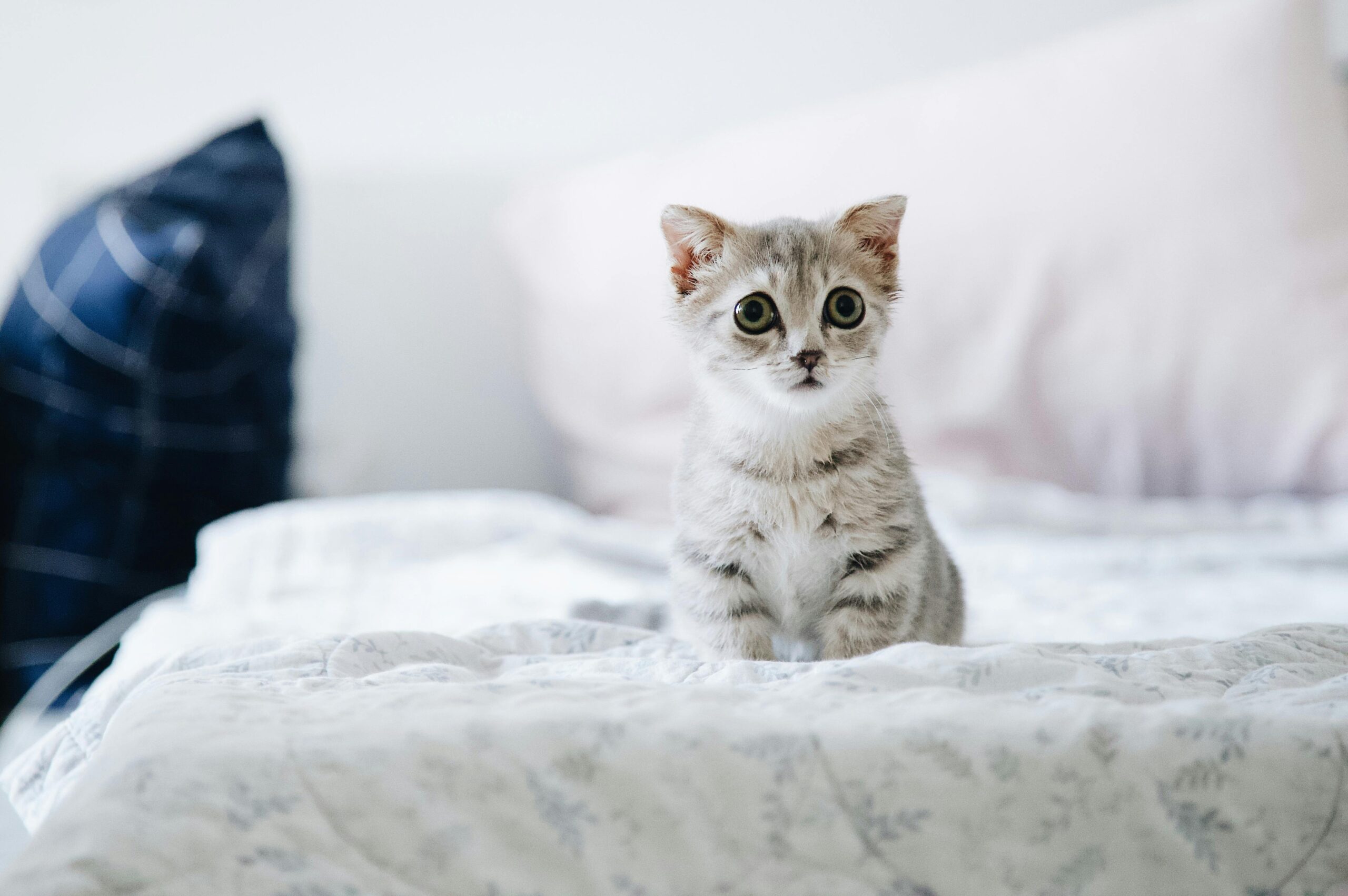
Welcoming a kitten into your home requires a high level of vigilance, extending all the way to the bottom of the litter box. Kittens possess incredibly sensitive paw pads and undeveloped respiratory systems, making non-toxic, ingestible-safe litter a non-negotiable requirement for their early life stages.
In this 2026 review, we’ve vetted the top Amazon-available options specifically engineered for the “kitten phase.” Our selection focuses on high-performance natural materials, zero-dust formulations, and—most importantly—litters that pose minimal risk if accidentally ingested during a curious grooming session.
🐾 The Safety Audit: Why Standard Litter Fails Kittens
Until a kitten reaches approximately 10 to 12 weeks of age, their “curiosity-to-caution” ratio is heavily skewed toward curiosity. Standard adult litters can pose three significant health threats to a growing feline:
-
The Ingestion Hazard: Traditional clumping clay (sodium bentonite) is designed to expand and harden when wet. If a kitten swallows these granules, it can cause life-threatening intestinal blockages.
-
Respiratory Vulnerability: Fine clay dust can trigger sneezing, coughing, or even early-onset asthma-like symptoms in a kitten’s fragile lungs.
-
Chemical Sensitivities: Artificial perfumes, dyes, and “odor-locking” chemicals can irritate sensitive paw pads and lead to contact dermatitis or litter box aversion.
By prioritizing natural, biodegradable alternatives, you provide a sterile environment that supports their development without the risk of internal or external irritation.
🌟 2026 Top-Tier Feline Starter Litters
When auditing the best “Kitten-Phase” litters, we look for materials that are naturally absorbent and structurally safe. Here are the elite survivors of our 2026 vetting process:
| Material Type | Top Brand Example | Why We Recommend It |
| Recycled Paper | Yesterday’s News | Non-clumping, zero dust, and completely safe if chewed. |
| Cassava/Corn | Sustainably Yours | Exceptional odor control with a “soft-sand” texture for tiny paws. |
| Grass Seed | SmartCat | Lightweight, fragrance-free, and biodegradable. |
| Pine Pellets | Feline Pine | Naturally antibacterial and free from synthetic chemicals. |
Dr. Elsey’s Precious Kitten Attract Litter

-
Type: Non-clumping clay blend formulated specifically for kittens
-
Why It’s Safe: Gentle formula draws kittens in while avoiding strong clumping agents; low-dust and unscented
-
Kitten-Friendly: Designed to promote healthy litter habits early on
-
Use Case: Ideal for kittens younger than 3 months or those transitioning to clumping litter
World’s Best Corn‑Based Litter

-
Type: Natural corn-based clumping litter
This corn-based litter is a great choice of non-toxic cat litter for kittens, ensuring safety and comfort.
-
Why It’s Safe: Made from compressed corn—no clay, synthetic additives, or harmful dust; flushable & biodegradable
-
Performance: Fast clumping, decent odor control, flushable design
For kittens, always choose non-toxic cat litter for kittens that minimizes dust and irritation.
-
Kitten Considerations: While clumping, ingestion is less dangerous than clay; commonly used by foster homes with young kittens
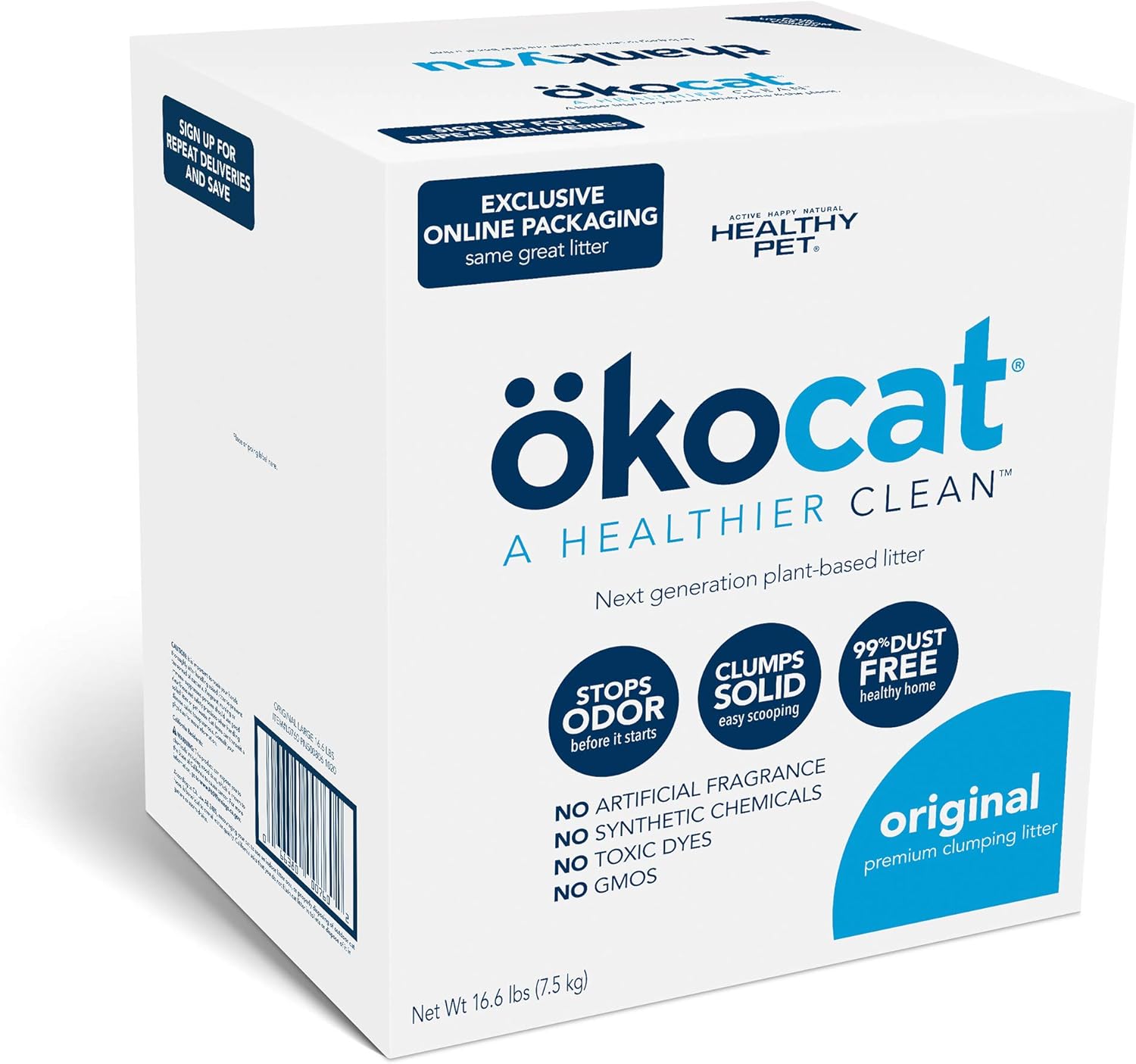
OKOCAT Super Soft Wood Litter
Non-toxic cat litter for kittens like this option ensures a comfortable and safe environment.
-
Type: Wood fiber clumping litter
-
Why It’s Safe: Soft, 99% dust-free, and made from sustainable pine fiber; no fragrances or additives
Soft textures in non-toxic cat litter for kittens promote a positive experience while using the litter box.
-
Kitten Comfort: Super fine, paws-friendly texture approximates clay feel without the toxicity
-
Use Case: Great for sensitive kittens, especially those who reject more granular litters
🧪 Expert & Community Insights
-
The Spruce Pets Testing: Found Frisco Natural clumping litters and woodland-based options like Dr. Elsey’s to be among best for kittens and sensitive paws.
-
Eco-Friendly Litters Review: Ökocat wood litter praised as low-dust, chemical-free top pick for sensitive cats and kittens.
-
VetTech Reddit Feedback: Clay and silica litters often avoided for kittens; paper or pine pellets used early; corn-based clumping litter viewed as safer alternative.
Utilizing non-toxic cat litter for kittens supports their health and wellbeing.
✅ Litter Comparison Table
| Product | Type | Clumping? | Dust Level | Kitten-Suitable? | Notes |
|---|---|---|---|---|---|
| Dr. Elsey’s Precious Kitten | Clay blend (non-clump) | No | Low | ✅ Yes | Designed specifically for kittens |
| World’s Best Corn-Based Litter | Corn clumping | Yes | Low | ✅ Yes (3+ mo) | Safe corn-based clumps vs clay hazards |
| OKOCAT Super Soft Wood Litter | Wood fiber | Yes | Very Low | ✅ Yes | Super soft texture, ideal for sensitive paws |
🛠️ The Developmental Roadmap: Transitioning Safely
As your kitten grows, their bathroom needs—and their safety requirements—will shift. Use this three-stage plan to move from “nursery” litter to a long-term solution:
-
The Nursery Phase (Under 8–10 Weeks): Stick exclusively to non-clumping pellets (like Dr. Elsey’s Precious Cat Kitten Attract or recycled paper). At this age, the risk of “tasting” litter is highest, and non-clumping varieties won’t cause internal blockages if swallowed.
-
The Bridge Phase (2–3 Months): Gradually introduce natural clumping options like corn, grass seed, or soft wood. Mix a small ratio (25%) of the new litter into the old for a week to monitor for any signs of ingestion or respiratory sneezing.
-
The Long-Term Switch: Once you are confident your kitten no longer views the box as a snack bar, you can move to 100% natural clumping litter. Maintain a shallow depth of 2–3 inches to ensure their tiny legs can navigate the box comfortably.
💡 Hygiene & Health: Pro-Tips for the “Kitten Room”
-
Low-Entry Access: Kittens have short legs and limited coordination. Start with a low-sided box (or even a shallow plastic tray) to ensure they can enter and exit without a struggle, preventing “out-of-box” accidents.
-
The Daily Audit: Clean the box at least once a day. Kittens are fastidious; if the box is dirty, they are more likely to seek out your carpet or laundry basket. Perform a full litter swap and box sanitize weekly.
-
Paw Inspection: Check between their toes for “litter tracking” or stuck debris. Natural litters can sometimes clump to the fur on their paws; a quick wipe with a damp cloth prevents them from licking it off later.
-
Climate Control: If using corn or wood-based litters, store the bag in a cool, dry place. Because these are organic materials, they can be susceptible to mold if kept in a damp laundry room or garage.
Final Verdict: A Foundation for Feline Wellness
Choosing a non-toxic, kitten-specific litter is one of the most important safety decisions you will make in their first few months. By prioritizing low-dust, ingestible-safe materials, you protect their developing respiratory systems and prevent dangerous GI blockages.
2026 Editor’s Top Picks:
-
Best for Early Introduction: Dr. Elsey’s Precious Kitten (Non-clumping & Attractant-infused)
-
Best for Transitioning: World’s Best Cat Litter (Corn-based & Clumping)
-
Best for Sensitive Paws: ökocat Super Soft (Debarked Wood & Extra Gentle)
These Amazon-available options are consistently top-rated by the veterinary community and seasoned kitten parents alike for their balance of high-performance odor control and uncompromising safety.