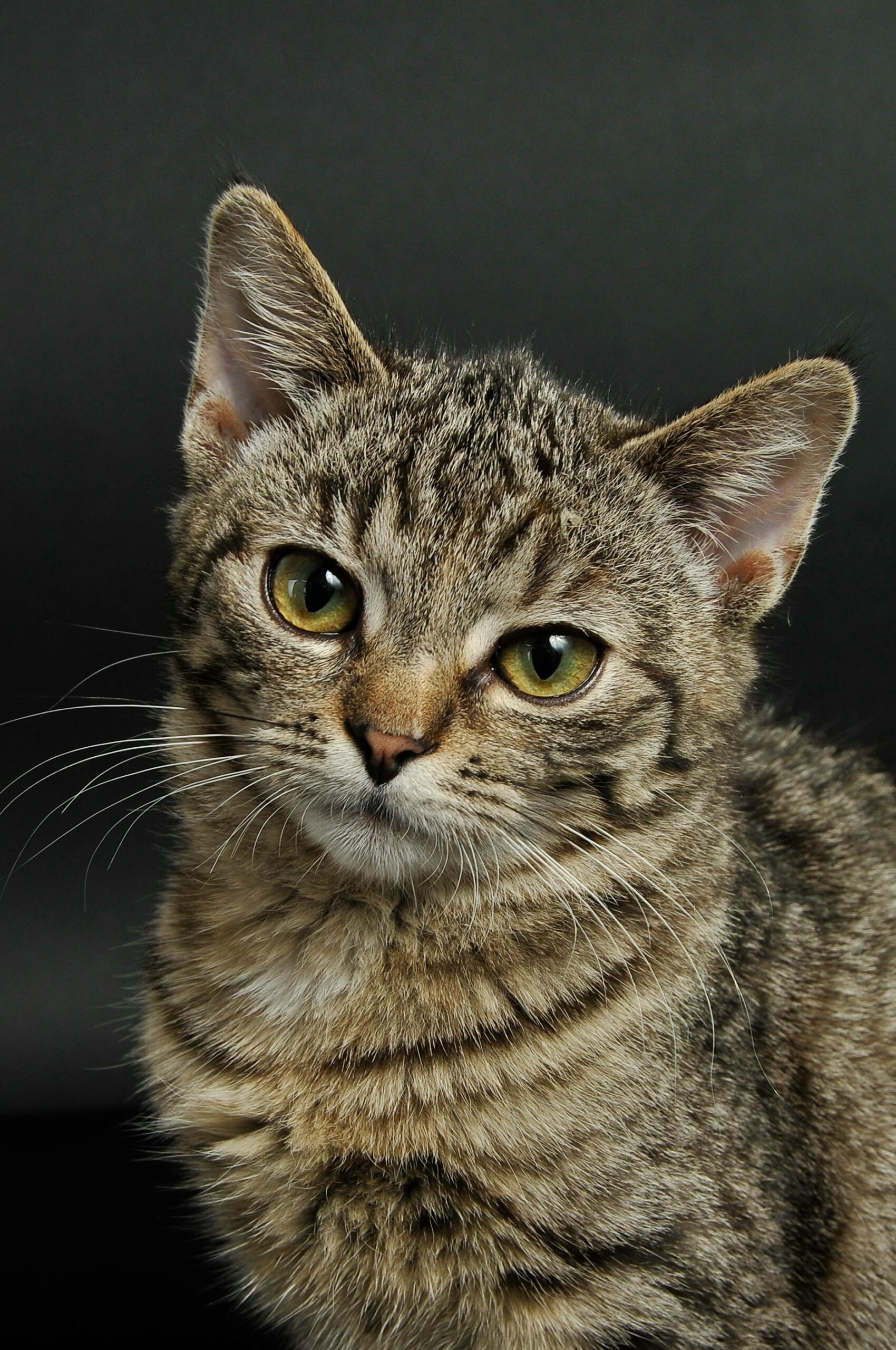
Tiny Targets: Navigating Flea and Tick Safety for Kittens
For cat owners, fleas and ticks are more than a simple nuisance—they are a significant health threat. This challenge is magnified when dealing with kittens. Their developing systems are highly sensitive to chemicals, making it mission-critical to select flea and tick treatments that are specifically labeled safe for young felines.
Choosing the right preventative isn’t just about comfort; it’s about survival. But with a market flooded with “natural” remedies and heavy-duty chemicals, which products actually work without risking a kitten’s health? Should you avoid spot-ons entirely for newborns?
Understanding the nuances of kitten-safe treatments is the first step in ensuring your newest family member stays healthy and itch-free.
The High Stakes: Why Prevention is Critical for Kittens
1. Vulnerability to Anemia
Kittens have a very small blood volume. A heavy flea infestation can actually lead to life-threatening anemia in kittens under 8 weeks old. They simply cannot afford the blood loss that an adult cat might tolerate.
2. Disease Transmission
Ticks are more than just “hitchhikers”; they are vectors for dangerous diseases, including:
-
Cytauxzoonosis: Often fatal in felines and known as “Bobcat Fever.”
-
Tularemia: A serious bacterial infection.
-
Lyme Disease: While less common in cats than dogs, it remains a risk in high-tick areas.
3. The Tapeworm Connection
Fleas are the primary intermediate host for tapeworms (Dipylidium caninum). If a kitten ingests an infected flea while grooming, they can develop an internal parasite that depletes their much-needed nutrients.
4. Preventing Lifelong Allergies
Flea Allergy Dermatitis (FAD) is a leading cause of skin issues in cats. Managing infestations early prevents your kitten from developing a hypersensitivity that could cause skin infections for years to come.
The Danger Zone: Why “General” Products Fail
Using a treatment not specifically approved for kittens can lead to catastrophic results, including:
-
Neurological Toxicity: Tremors, stumbling, or disorientation.
-
Respiratory Distress: Labored breathing.
-
Seizures or Death: Often caused by using dog-specific products or incorrect dosages.
⚠️ Critical Safety Warning: Never use a product labeled for dogs on a cat. Many dog treatments contain Permethrin, which is highly toxic to felines. Always verify the minimum age and weight requirements on the packaging.
Kitten Age Guide: What to Use and When
Before applying any chemicals, use this age-based roadmap to determine the safest course of action:
| Kitten Age | Recommended Treatment Strategy |
| Under 4 Weeks | No Chemicals. Use a fine-toothed flea comb and daily bedding washes. |
| 4 to 8 Weeks | Extremely Limited. Consult a vet for specific off-label sprays or weight-specific topicals. |
| Over 8 Weeks | Expanded Options. Most topical spot-ons and oral preventatives become safe at this stage. |
Top 5 Recommended Treatments for 2025
We’ve evaluated the leading veterinarian-recommended products based on three pillars: Safety, Efficacy, and Ease of Application. Here are the top survivors of our rigorous review process for the current year.

⭐ 1. Capstar (Nitenpyram)
✅ Best fast-acting oral treatment for kittens over 4 weeks and 2 lbs
How it works:
Capstar is an oral tablet that starts killing adult fleas within 30 minutes, achieving 90% effectiveness within 6 hours.
For overall safety, always use The Best Flea and Tick Treatments for Cats That Are Safe for Kittens.
Minimum age/weight:
-
4 weeks old
Follow guidelines for The Best Flea and Tick Treatments for Cats That Are Safe for Kittens.
-
At least 2 lbs
Pros:
Review The Best Flea and Tick Treatments for Cats That Are Safe for Kittens with your veterinarian.
-
Very fast flea kill rate
-
Safe for young kittens
-
No chemical residues on fur
-
Affordable
Cons:
-
Only kills adult fleas present at the time of dosing; no residual prevention
-
Must combine with environmental treatment or longer-lasting prevention to break life cycle
Verdict:
Capstar is ideal for quick relief in kittens heavily infested with fleas. Always follow up with longer-term prevention when the kitten is old enough.

⭐ 2. Revolution Plus (Selamectin and Sarolaner)
✅ Best comprehensive monthly treatment for kittens over 8 weeks and 2.8 lbs
How it works:
Topical spot-on that kills fleas (adults, eggs, larvae), ticks, ear mites, roundworms, and hookworms.
Minimum age/weight:
-
8 weeks old
-
At least 2.8 lbs
Pros:
-
Broad-spectrum parasite control
-
Easy to apply
-
No need for separate dewormer
Cons:
-
Prescription required
-
Higher cost than Capstar
Verdict:
If your kitten is over 8 weeks and meets weight requirements, Revolution Plus is the gold standard for flea and tick prevention with added internal parasite coverage.

Ensure consistency with The Best Flea and Tick Treatments for Cats That Are Safe for Kittens.
⭐ 3. Cheristin for Cats (Spinetoram)
✅ Best over-the-counter topical flea treatment for kittens over 8 weeks
How it works:
Kills fleas within 30 minutes to 12 hours and protects for up to 6 weeks.
Minimum age/weight:
-
8 weeks old
-
At least 1.8 lbs
Pros:
-
Easy to apply
Always remember to choose The Best Flea and Tick Treatments for Cats That Are Safe for Kittens.
-
Fast flea kill time
-
No prescription needed
Cons:
-
No tick prevention
-
Slightly oily application site
Verdict:
Great non-prescription flea treatment for kittens who need rapid relief and ongoing protection from fleas only.
Revisit the importance of The Best Flea and Tick Treatments for Cats That Are Safe for Kittens.
Consider how The Best Flea and Tick Treatments for Cats That Are Safe for Kittens can affect your decisions.

⭐ 4. Advantage II for Kittens (Imidacloprid and Pyriproxyfen)
✅ Best budget-friendly flea treatment for kittens over 8 weeks and 2 lbs
How it works:
Kills adult fleas, eggs, and larvae to break the infestation cycle.
Minimum age/weight:
-
8 weeks old
-
At least 2 lbs
Pros:
-
Affordable
-
Long-lasting (30 days)
-
Effective flea lifecycle control
Cons:
-
Does not kill ticks
-
Application site can feel greasy
Verdict:
A reliable budget option if tick protection is not a concern in your area.

⭐ 5. Frontline Plus for Cats and Kittens (Fipronil and S-Methoprene)
✅ Best for flea and tick control without prescription for kittens over 8 weeks
How it works:
Topical treatment killing fleas, eggs, larvae, and ticks.
Minimum age/weight:
-
8 weeks old
-
At least 1.5 lbs
Pros:
-
Effective flea and tick prevention
-
No prescription required
-
Waterproof
Cons:
-
Some flea resistance reported in certain regions
-
May take up to 24 hours for full effect
Verdict:
Frontline remains a trusted OTC choice for tick prevention alongside flea control, especially if Revolution Plus is not accessible.
Natural Alternatives: Do They Actually Work?
Many kitten owners prefer “chemical-free” routes to protect developing immune systems. While these methods are safer in terms of toxicity, they come with significant trade-offs.
The Top “Safe” Natural Methods
-
🌿 The Flea Comb: This is your #1 weapon for kittens under 4 weeks. Use a fine-tooth comb daily and dip it into warm, soapy water to kill the fleas instantly.
-
🌿 Dawn Dish Soap Baths: A lukewarm bath with original, unscented Dawn can provide immediate relief by drowning adult fleas. Warning: Limit this to once a week, as it strips essential oils from a kitten’s sensitive skin.
-
🌿 Food-Grade Diatomaceous Earth: Sprinkling this on carpets can dehydrate flea larvae. However, use it sparingly—the fine dust can irritate a kitten’s delicate respiratory system.
⚠️ The Essential Oil Myth: Never use essential oils (like tea tree, peppermint, or eucalyptus) on cats. What is “natural” for humans is often highly toxic to felines and can lead to organ failure.
The Reality Check
Natural treatments are labor-intensive and offer zero residual protection. They kill the fleas currently on the kitten but do nothing to stop the thousands of eggs waiting to hatch in your carpet.
Breaking the Cycle: Treating Your Home
If you only treat the kitten, you’ve already lost the battle. Only 5% of a flea population lives on your pet; the other 95% is in your home as eggs, larvae, and pupae.
-
Heat is Your Friend: Wash all pet bedding, rugs, and your own linens in hot water weekly.
-
Vacuum Aggressively: Focus on baseboards, under furniture, and dark corners. Dispose of the vacuum bag or canister outside immediately so fleas don’t crawl back out.
-
Environmental Barriers: If using household sprays, ensure kittens are in a different room until the product is 100% dry and the area is ventilated.
Common Mistakes to Avoid
-
❌ The Dog Product Trap: Never use dog-specific flea meds; they often contain Permethrin, which is fatal to cats.
-
❌ Age Skipping: Don’t “guess” the dose for a kitten using an adult cat’s treatment.
-
❌ The Indoor Illusion: Fleas can hitchhike into your home on your clothes or other pets. Indoor kittens still need protection.
Frequently Asked Questions
Q: How soon can I chemically treat my kitten?
A: Most veterinarian-approved topicals require the kitten to be at least 8 weeks old and meet a minimum weight requirement (usually 1.5 to 2 lbs). For kittens younger than 4 weeks, stick to manual combing.
Q: Should I treat the mother cat?
A: Yes. An untreated mother is a “flea factory” for her nursing kittens. Use a vet-approved product that is safe for lactating queens to prevent re-infestation.
Final Verdict: Your Kitten’s Protection Roadmap
When it comes to kitten safety, the best approach is a tiered strategy based on their development:
The “Safe-Start” Protocol:
| Age Group | Primary Strategy | Recommended Product |
| 0–4 Weeks | Manual Removal | Flea Comb + Treat Mother Cat |
| 4–8 Weeks | Managed Intervention | Capstar (Oral – with Vet approval only) |
| 8+ Weeks | Full Protection | Revolution Plus or Frontline Plus |
Summary
Kittens are incredibly delicate. By combining diligent home cleaning with veterinarian-approved products tailored to their specific weight and age, you can ensure your new pet grows up healthy, comfortable, and parasite-free.




)