Causes, Solutions, and the Best Training & Calming Products on Amazon
Understanding the question, Why is my dog aggressive or fearful? can help in addressing these issues effectively.
If you’ve ever typed “Why is my dog aggressive or fearful?” into a search bar, you’re not alone. Growling at strangers, snapping during nail trims, trembling on walks, barking nonstop at guests, or cowering in new environments are among the most common behavioral concerns dog owners face.
As a dog owner, you might ask yourself, Why is my dog aggressive or fearful? This query often leads to deeper insights about your dog’s behavior.
Aggression and fear don’t usually appear out of nowhere. They’re signals—your dog is stressed, confused, threatened, overstimulated, or trying to protect itself. Understanding why these behaviors happen is the first step toward improving your dog’s confidence and safety—and your peace of mind.
It’s essential to explore why is my dog aggressive or fearful? to find appropriate solutions.
In this comprehensive buyer-focused guide, we’ll cover:
✅ The most common reasons dogs become aggressive or fearful
✅ Warning signs to watch for
✅ How fear and aggression are connected
✅ Training and management strategies
✅ When to consult a professional
✅ Highly rated calming and training tools sold on Amazon
✅ Which products actually offer good value
Understanding why is my dog aggressive or fearful? is crucial for a harmonious life with your pet.
Whether you have a nervous rescue pup or a reactive adult dog, this article will help you approach the problem with empathy—and the right tools.
Exploring the reasons why is my dog aggressive or fearful? can lead to effective training strategies.
🧠 Fear vs. Aggression: What’s the Difference?
Many dog owners often wonder, why is my dog aggressive or fearful? The answers may surprise you.
Fear and aggression are closely linked. In many dogs, aggression is actually fear-based—a defensive reaction when they feel cornered or unsafe.
Fearful behaviors may include:
-
Tucked tail
-
Shaking or freezing
-
Avoiding eye contact
-
Hiding
-
Excessive panting
-
Whining
-
Flattened ears
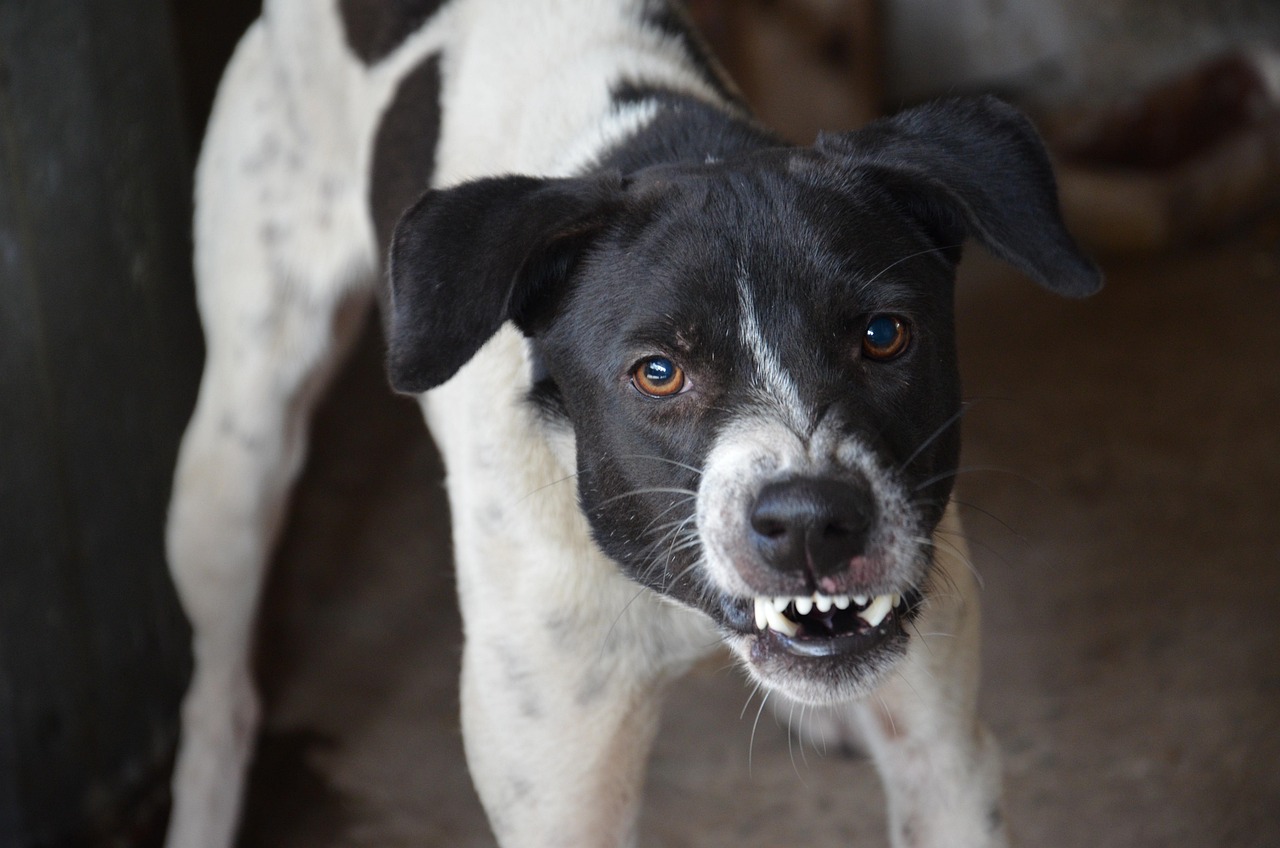
Aggressive behaviors may include:
-
Growling or snarling
-
Lunging
-
Snapping
-
Baring teeth
-
Stiff body posture
-
Guarding food or toys
👉 Important: A dog can feel fear without being aggressive—and an aggressive dog is often acting out of fear.
🔍 Common Reasons Dogs Become Aggressive or Fearful
When assessing your dog’s behavior, consider the question: why is my dog aggressive or fearful?
Let’s explore the most frequent causes.
1️⃣ Lack of Socialization
Dogs that weren’t exposed to many people, dogs, sounds, surfaces, and environments as puppies often struggle later in life.
-
May fear strangers
-
Bark at other dogs
-
Panic in busy places
-
React to bikes, kids, or cars
This is especially common in rescue dogs or dogs raised in isolated settings.
2️⃣ Traumatic Experiences
Identifying triggers can help answer, why is my dog aggressive or fearful? and mitigate these behaviors.
Past abuse, neglect, dog fights, or frightening events (like being hit by a car or attacked) can leave emotional scars.
Triggers might include:
-
Men wearing hats
-
Loud noises
-
Leashes
-
Raised voices
-
Veterinary clinics
3️⃣ Territorial or Protective Instincts
Understanding your dog’s instincts is part of answering why is my dog aggressive or fearful?
Some dogs guard:
-
Their home
-
Food bowls
-
Toys
-
Beds
-
Family members
Breeds developed for guarding or herding may show these tendencies more strongly, though any dog can become protective.
4️⃣ Pain or Medical Problems
Asking yourself why is my dog aggressive or fearful? can lead to better training and care strategies.
A sudden change in temperament is always a reason to call your vet.
Pain from:
-
Arthritis
-
Ear infections
-
Dental disease
-
Injuries
-
Digestive problems
…can make even a gentle dog snap when touched.
5️⃣ Genetics & Breed Tendencies
To improve your dog’s behavior, first consider why is my dog aggressive or fearful?
Some dogs are naturally more cautious, alert, or sensitive to stimuli. That doesn’t doom them to aggression—it just means they may need extra socialization and structured training.
6️⃣ Poor Training or Inconsistent Rules
Dogs thrive on predictability. If rules change daily—or punishment is harsh or confusing—dogs can become anxious and reactive.
7️⃣ Overstimulation & Lack of Exercise
Once you understand why is my dog aggressive or fearful?, you can implement effective solutions.
Pent-up energy and boredom can worsen reactivity.
Dogs that don’t get enough:
-
Walks
-
Play
-
Mental enrichment
-
Training sessions
…often explode at triggers because they have nowhere else to release stress.
⚠️ Warning Signs to Address Early
Recognizing signs of aggression can help you answer why is my dog aggressive or fearful?
Don’t wait for a bite to take action. Early signals include:
-
Freezing when approached
-
Whale eye (white of eyes showing)
-
Lip licking
-
Growling during grooming
-
Barking behind fences
-
Hiding from guests
-
Snapping in the air
These are your dog’s way of saying, “I’m uncomfortable.”
🛠️ What You Can Do Right Now
If you’re unsure why is my dog aggressive or fearful?, consult with a professional for guidance.
Before we dive into products, let’s look at practical steps every owner can take.
✔️ Rule Out Medical Causes
Timing is key in understanding why is my dog aggressive or fearful? Look for early signs.
Schedule a vet visit if:
-
Behavior changed suddenly
-
Aggression appears when touched
-
Your dog seems lethargic or uncomfortable
✔️ Manage the Environment
Prevent situations that push your dog over threshold:
-
Use baby gates
-
Walk at quieter times
-
Create safe spaces
-
Avoid forcing interactions
-
Leash reactive dogs securely
Management isn’t giving up—it’s keeping everyone safe while training progresses.
✔️ Use Positive Reinforcement Training
Reward calm behavior with:
In training, remember to address why is my dog aggressive or fearful? to guide your approach.
-
High-value treats
-
Praise
-
Toys
Avoid punishment-based methods—they often increase fear and can escalate aggression.
✔️ Desensitization & Counterconditioning
Gradually expose your dog to triggers at a distance while pairing them with good things (like chicken or cheese). Over time, the scary thing becomes less scary.
Gradually exposing your dog to triggers can help you understand why is my dog aggressive or fearful?
🛒 Helpful Products on Amazon for Fearful or Aggressive Dogs
Products can help, but they don’t replace understanding why is my dog aggressive or fearful?
While no product replaces training, the right tools can support progress. Here are popular Amazon categories and examples frequently recommended by trainers.
🥩 High-Value Training Treats
Soft, smelly treats work best for behavior modification.
Popular options:

-
Blue Buffalo Wilderness Trail Treats

Ultimately, asking why is my dog aggressive or fearful? can lead to better outcomes.
-
Zuke’s Mini Naturals

-
Wellness Soft Puppy Bites
Why they help:
Quick to chew, highly motivating, perfect for rewarding calm behavior.
Answering why is my dog aggressive or fearful? is crucial for effective behavior modification.
🧠 Puzzle Toys & Enrichment Feeders
Mental stimulation reduces stress and boredom.
Top sellers include:

-
Outward Hound Nina Ottosson Puzzle Toys
Each dog’s context can reveal why is my dog aggressive or fearful? and guide solutions.

-
KONG Classic Rubber Toy
-
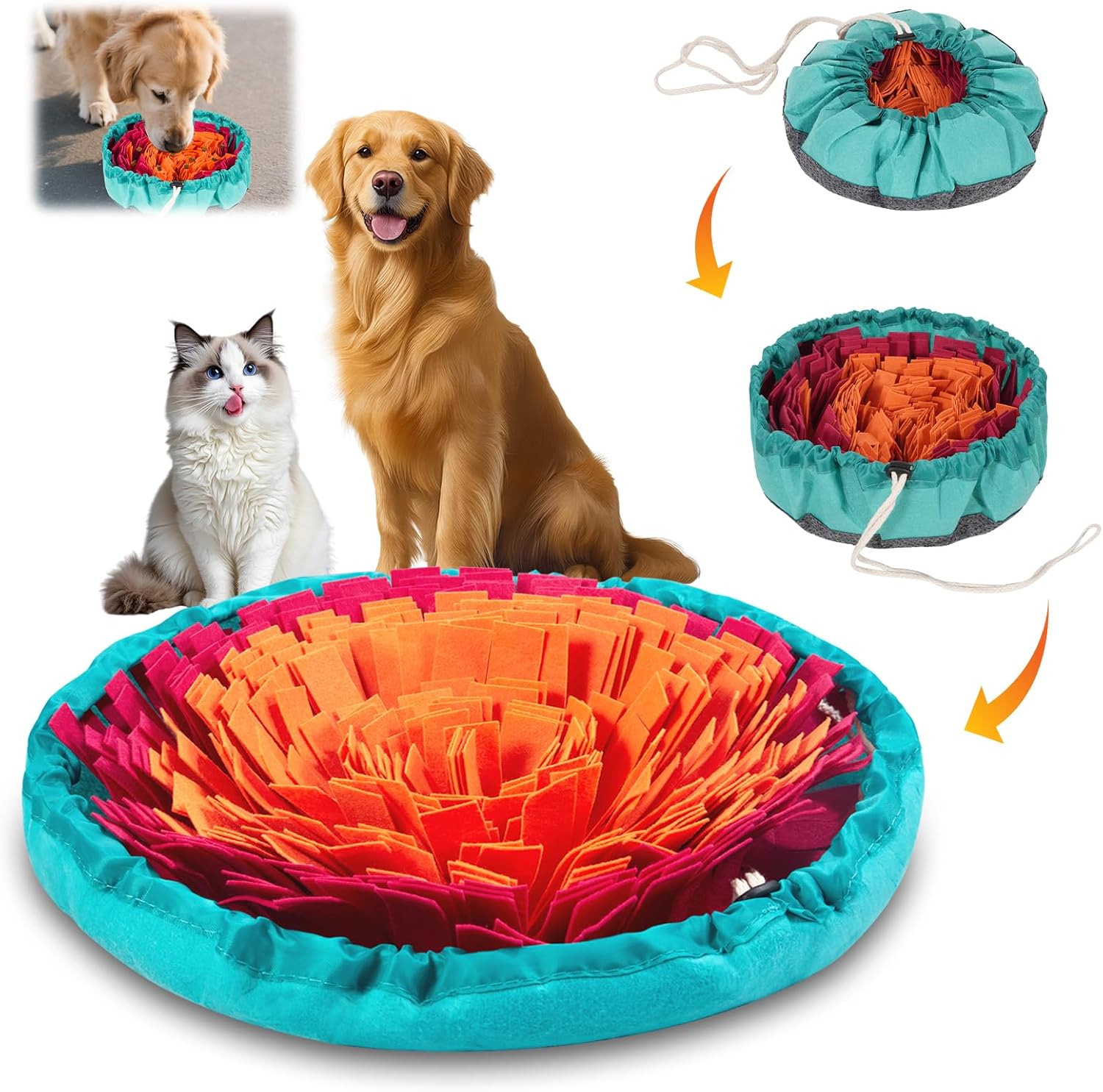
Snuffle Mats for Dogs
Finding the answer to why is my dog aggressive or fearful? can lead to a happier pet.
Why they help:
Engage your dog’s brain and provide healthy outlets for nervous energy.
😌 Calming Aids & Supplements
Many owners turn to natural calming products.
Well-reviewed Amazon examples:
As you navigate your dog’s challenges, consider why is my dog aggressive or fearful? in your strategy.
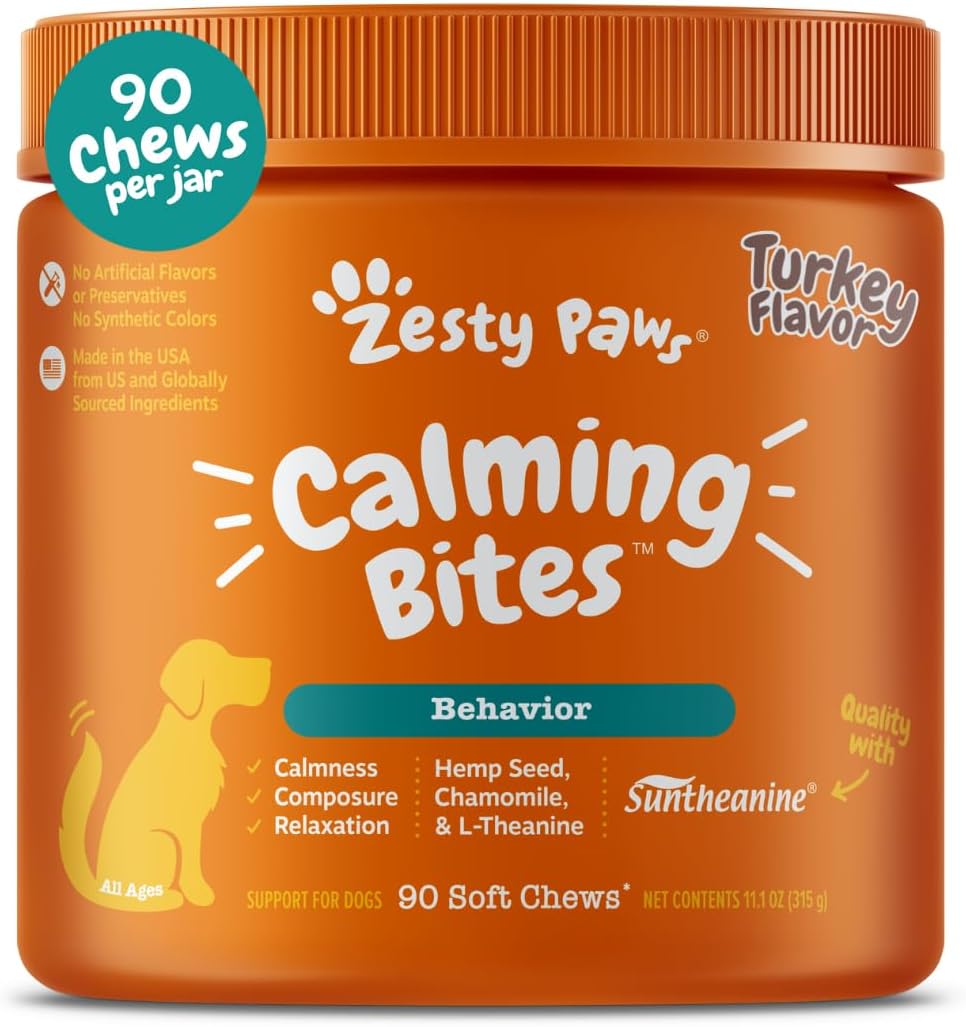
-
Zesty Paws Calming Bites

-
NaturVet Quiet Moments
Understanding the question why is my dog aggressive or fearful? is the first step in addressing it.
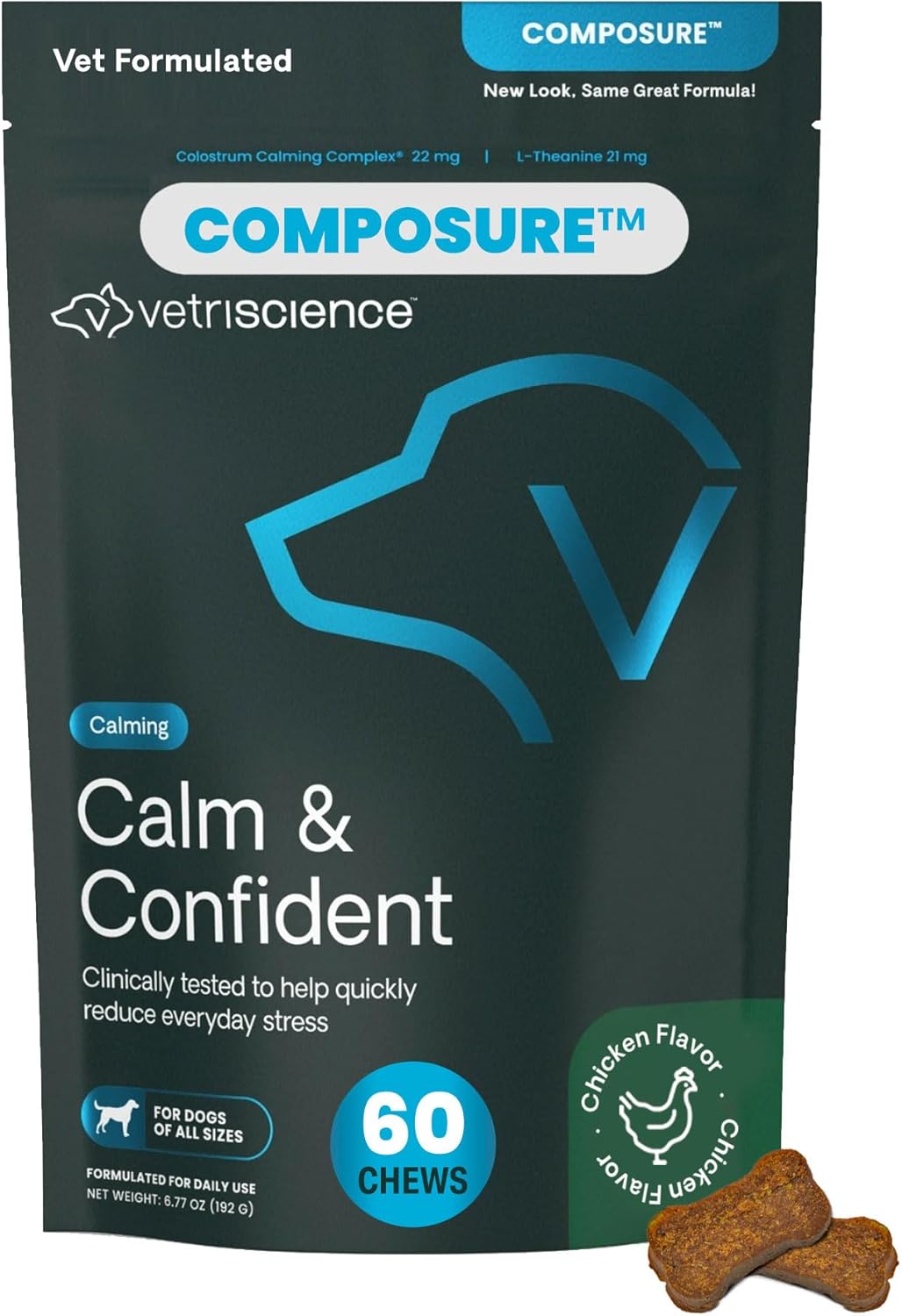
-
VetriScience Composure
These often contain ingredients like L-theanine, chamomile, or melatonin.
👉 Note: Always check with your vet before starting supplements.
🧥 Anxiety Wraps & Thunder Shirts
Pressure wraps apply gentle, constant compression.
Pressure wraps can help, but understanding why is my dog aggressive or fearful? remains vital.
Popular option:
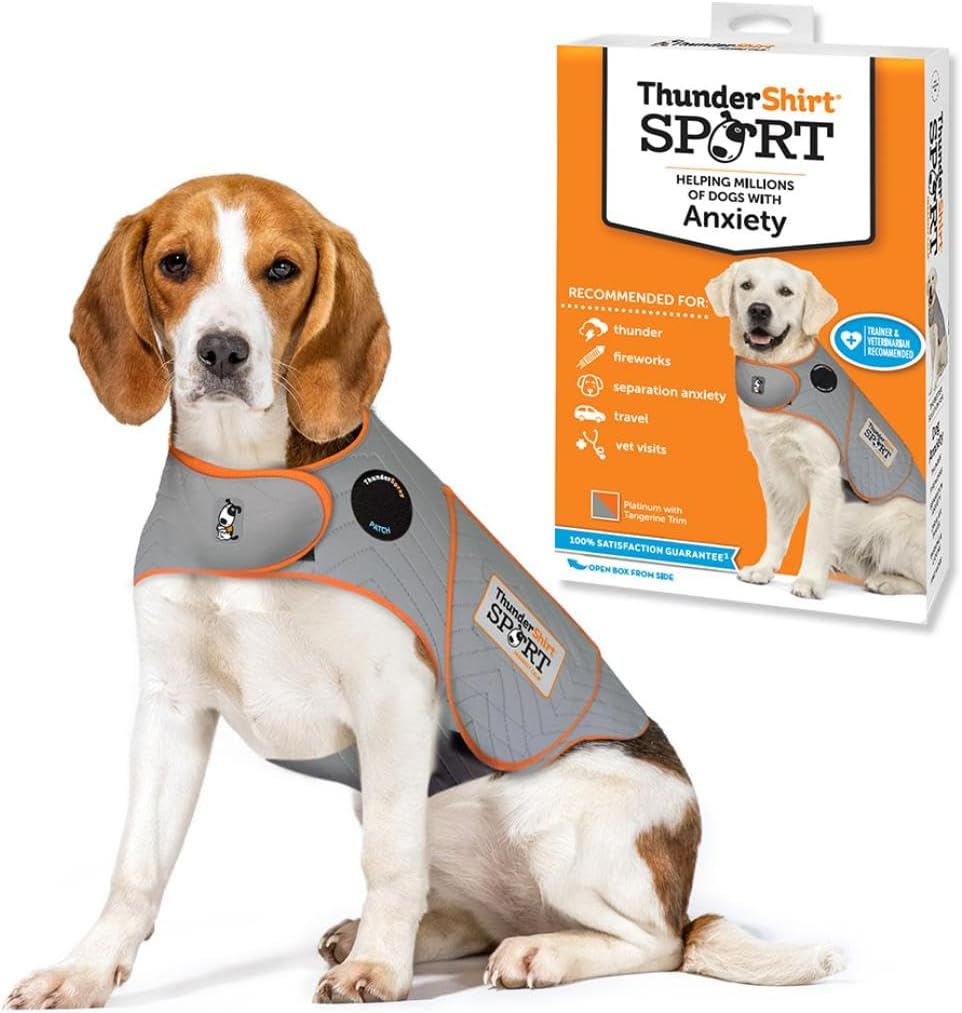
-
ThunderShirt Classic Anxiety Jacket
Used for storms, fireworks, and stressful outings.
🦮 Training Equipment
Choosing the right training equipment also involves knowing why is my dog aggressive or fearful?
Proper tools improve control and safety:
Common choices:

-
PetSafe Gentle Leader Headcollar

-
Front-clip harnesses

-
Double-handle leashes

-
Basket muzzles for safety during training
A muzzle can be humane and protective when introduced slowly and positively.
📚 Training Books & Online Courses
Education is one of the best investments you can make.
Popular titles often found on Amazon:

-
The Other End of the Leash by Patricia McConnell

-
Behavior Adjustment Training 2.0 by Grisha Stewart

-
Don’t Shoot the Dog! by Karen Pryor
📊 Which Products Offer the Best Value?
| Category | Best For | Long-Term Value |
|---|---|---|
| Treats | Training motivation | ⭐⭐⭐⭐ |
| Puzzle toys | Mental stimulation | ⭐⭐⭐⭐ |
| Calming chews | Mild anxiety | ⭐⭐⭐ |
| ThunderShirt | Noise phobia | ⭐⭐⭐⭐ |
| Harnesses | Walking reactive dogs | ⭐⭐⭐⭐⭐ |
| Books/courses | Owner education | ⭐⭐⭐⭐⭐ |
👉 Biggest ROI: Professional training + good equipment.
👩⚕️ When to Call a Professional Trainer or Behaviorist
Seek expert help if:
-
Your dog has bitten someone
-
Aggression is escalating
-
You feel unsafe
-
Children are involved
-
Multiple triggers exist
Look for:
✔ Certified Professional Dog Trainer (CPDT-KA)
✔ IAABC behavior consultants
✔ Veterinary behaviorists
Final verdict on Why is my dog aggressive or fearful?: Addressing these behaviors is essential for a healthy relationship.
Most aggressive or fearful behavior comes from:
-
Lack of socialization
-
Past trauma
-
Anxiety
-
Pain
-
Territorial instincts
-
Poor outlets for energy
The good news? With patience, structure, and the right tools, many dogs improve dramatically.
On Amazon, the best value tends to come from:
✔ Front-clip harnesses & safety gear
✔ High-value training treats
✔ Puzzle toys
✔ Anxiety wraps
✔ Educational books
But remember: products are support tools, not magic fixes. Compassion, consistency, and professional guidance make the biggest difference.